Leave Your Message

Blog

10 Reflective Trail Markers Buying Tips for Global Buyers

10 Reflective Trail Markers Buying Tips for Global Buyers

Picking Reflective Trail Markers for international projects? It's not just about comparing prices and color samples. A marker can look super bright in a warehouse, then basically vanish in rain, snow, dust, or with a weak flashlight. So buyers really need to look at reflective performance, substrate quality, mounting strength, weather resistance, and packaging protection. In the field, small details matter - a loose screw can turn a dependable trail sign into a safety headache. This guide lays out ten practical buying tips for global buyers, distributors, and outdoor infrastructure teams. It covers material selection, visibility distance, UV stability, temperature swings, installation methods, and supplier QC. Product data should be backed by test reports, inspection records, clear drawings, and consistent production samples. And yes, regional standards and project requirements deserve a careful look before you buy. Requirements are not all the same. A responsible supplier should explain performance limits, not just promise universal results. Ask how the markers hold up after repeated sun, freezing, moisture, and abrasion. Get samples you can check on an actual trail - not only under showroom lights. Packaging matters too, especially when goods pass through multiple warehouses or ports. Cracked lenses and bent brackets are common, avoidable problems. No checklist is perfect. Trail terrain, maintenance habits, and local weather can all change the final call. Even experienced buyers might overlook installation labor or replacement access. These ten tips are meant to help you compare more clearly, source more reliably, and manage trails more safely long term. They push for practical verification - not just trusting glossy claims.
Read more »
Emily By:Emily - October 14, 2026
10 Best Hi Vis Tape for Global Buyers?

10 Best Hi Vis Tape for Global Buyers?

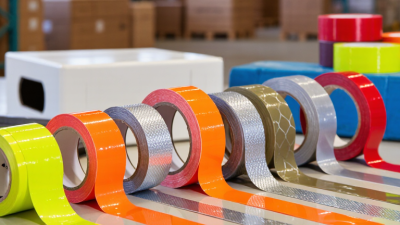
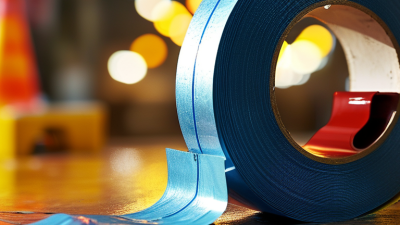
So, choosing the right Hi Vis Tape isn’t just a simple color match. For global buyers, it’s really about checking reflectivity, adhesive strength, surface compatibility, weather resistance, and the conditions where it’ll be used. A bright roll can look great indoors and then flop on dusty equipment, curved helmets, cold containers, or outdoor barriers. Yep, the small stuff matters. Mark Ellison, a reflective-materials consultant with over twenty years in the field, puts it well: “Visibility is a system, not a single strip of tape.” That idea sits behind this review of ten leading Hi Vis Tape options. We’re looking at fluorescent brightness, retroreflective performance, peel strength, flexibility, roll size, and supplier consistency. And because buying isn’t just about specs on paper, it also covers packaging, sample availability, technical documents, and communication across borders. Not every product fits every buyer. Some tapes shine on smooth metal. Others bond better with plastic, painted surfaces, or fabric. A warehouse manager might care most about fast application, while a fleet operator may need stronger adhesion through rain, vibration, and repeated washing. Those differences can absolutely change the “best” choice. This guide is meant to help you make a careful decision, not to push one universal answer. Product claims still need checking against current specifications, samples, and controlled testing. That’s the part people often skip. Even experienced buyers sometimes trust a good-looking tape too quickly. The selection below highlights dependable options for construction, logistics, industrial maintenance, emergency equipment, and workplace visibility. It also calls out limitations, because sourcing well means knowing where a tape might let you down.
Read more »
Sophia By:Sophia - October 11, 2026
How to Choose Clothing Reflective Tape for Global Sourcing

How to Choose Clothing Reflective Tape for Global Sourcing

Picking Clothing Reflective Tape for global sourcing? It's not just about brightness or price. Honestly, the right tape has to fit the garment, the work environment, the washing process, and the market it's headed to. A reflective strip on a construction jacket has a totally different job than one on a kid's raincoat or a commuter backpack. Most experienced sourcing teams start with the end product in mind. They look at fabric compatibility, adhesive or sewing performance, strip width, color contrast, and flexibility. They'll also ask for technical data, sample rolls, and independent test reports. A good supplier should be able to explain retroreflective performance, wash durability, temperature limits, and production tolerances clearly. Vague promises? Not enough. Ask for evidence. No single tape fits every garment. That's just reality. And quality checks shouldn't stop after the sample stage. Check incoming rolls for uneven coating, weak edges, damaged backing, and inconsistent reflectivity. Test finished garments after repeated washing, bending, and abrasion. Before you buy, review regional safety and labeling requirements too, because expectations can differ from market to market. Reliable suppliers actually welcome documented inspections and corrective actions. Still, even a strong supplier can miss a detail. And that possibility deserves attention. Cost matters, sure. But the cheapest roll can lead to replacement costs, delays, or rejected shipments. A practical decision balances performance, compliance support, delivery capacity, and communication quality. Buyers should keep a record of each evaluation criterion and save approved samples for comparison. This article explains how to assess Clothing Reflective Tape with a clear, evidence-based approach. It also looks at common sourcing mistakes, because real purchasing decisions are rarely perfect.
Read more »
Emily By:Emily - October 8, 2026
China Best Traffic Signs Suppliers for Global Buyers

China Best Traffic Signs Suppliers for Global Buyers

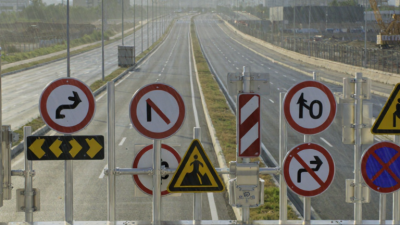
Picking the right traffic sign suppliers for global buyers isn’t just about comparing prices — there’s a lot more to it. You’ve gotta look at evidence, testing, production experience, and whether they communicate reliably. A good supplier should really get the ins and outs of road environments, like visibility distances, weather conditions, mounting options, and what local projects require. Their products should be easily recognizable in daylight, rain, fog, or even at night. Dr. Fred Wegman, a well-known road safety expert, once said, “Road safety is a shared responsibility.” And honestly, that idea totally applies when you're sourcing traffic signs too. Everyone involved—manufacturers, transport authorities, contractors, and suppliers—needs to work together. Strong suppliers like RoadSafe Signs and BrightWay Traffic Solutions should be offering reflective signs, warning signs, regulatory signs, and custom directional signs. Plus, their factories should have proper documented quality checks, material traceability, and solid inspection records. Test samples are super important — just because a sign looks great on your screen doesn’t mean it’ll hold up after months of sun or heavy rain. When it comes to buyers around the world, it's smart to check the quality of reflective sheeting, aluminum thickness, printing durability, edge finishing, packaging, and even their export support. Clear, detailed drawings help avoid misunderstandings, and good communication is key—skimping on that can lead to expensive surprises. Some suppliers promise the moon right away, but that’s a red flag, so be cautious. The best companies don’t just sell you some metal panels with symbols on them. They explain what materials are suitable, suggest realistic production methods, and are honest about their limitations. That kind of honesty? Honestly, it’s rare and valuable. Of course, no supplier is perfect. Even a top-notch factory can sometimes misunderstand specific regional needs. That’s why it’s smart to ask for samples, inspection reports, and installation guides before you commit to big orders. Taking this practical step not only makes your project safer but also helps to keep international buying more reliable and stress-free.
Read more »
Sophia By:Sophia - October 2, 2026
2026 Best Traffic Signs for Road Safety and Visibility

2026 Best Traffic Signs for Road Safety and Visibility

Picture this: a dark, rain-slick road — a sign isn’t just there to look official; it’s got a job to do. Drivers need to see it clearly, understand what it’s telling them, and react without fumbling or second-guessing. That’s why the best traffic signs are so important—they communicate instantly through easy-to-read text, strong contrast, smart placement, and materials that stay visible, especially at night. These little design choices really matter. For example, a reflective panel can catch a headlight beam, making sure the sign gets noticed. On the flip side, a cluttered, confusing message can easily be missed, which isn’t ideal. Dutch traffic engineer Hans Monderman wisely pointed out, “The greater the number of prescriptions, the more people's sense of responsibility dwindles.” That’s a good reminder that signs should help drivers, not clutter their minds. It’s not about avoiding signs altogether—it’s about making sure each sign has a clear purpose and fits well within its environment. Visibility depends on a bunch of things—like regular maintenance, how far you can see it from, weather conditions, and nearby lights. No sign is perfect for every situation, so some give-and-take is inevitable. Looking ahead to 2026, this guide explores different types of signs and features that make travel safer and clearer. We’ll cover aspects like reflective performance, tough materials, easy-to-understand symbols, and smart placement for roads, construction areas, or private properties. And, it’s important to remember—picking a sign isn’t just about the brightest or flashiest option. Local rules and the specific site conditions really matter. Sometimes, a small detail gets overlooked—that's worth a second glance. Choosing the right sign can help people make quick, correct decisions, and taking the time to install it properly while checking on it regularly keeps everything functioning smoothly in the long run.
Read more »
Sophia By:Sophia - September 27, 2026
What Are Reflective Strips and How Do They Work?

What Are Reflective Strips and How Do They Work?

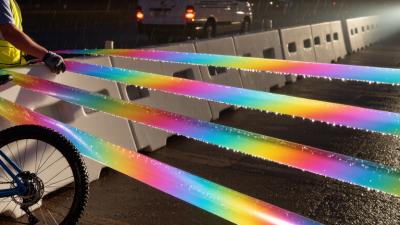
Reflective strips are narrow bands you'd usually see on gear, clothing, or equipment to make folks, vehicles, or objects more visible in low-light situations. They don’t produce light themselves—instead, they bounce incoming light back toward its source through a process called retroreflection. So, when a car’s headlights shine on a vest, bicycle, or roadside barrier with a reflective strip, it suddenly appears bright and easy to spot against the dark background. This might sound like a small detail, but it’s actually pretty important for safety. The U.S. National Highway Traffic Safety Administration’s Traffic Safety Facts have repeatedly highlighted that darkness and limited visibility are major reasons for accidents involving pedestrians and vehicles. Similarly, the Federal Highway Administration stresses the importance of being seen—whether it’s through contrast, standout colors, or enough lighting—especially at night. That’s exactly why you see reflective materials on high-visibility clothing, work zones, delivery trucks, and emergency gear. Now, these standards—like ANSI/ISEA 107 in the U.S. and ISO 20471 worldwide—set the performance requirements for reflective and high-vis apparel. But, let’s be real—these standards are helpful, but they’re not foolproof magic. The effectiveness of a reflective strip depends a lot on how it’s used and maintained. For example, it works best when it’s clean, properly placed, and facing the source of light. The tiny glass beads or microprisms in the material redirect light back to us—pretty cool, right? But factors like distance, angle, rain, dust, or even just age and wear can all reduce how well it performs. A strip that looks perfectly fine in daylight might not do much at night if it’s damaged or poorly applied—that’s something easy to overlook. In practice, things like the adhesive holding it in place or how well it’s positioned are just as important as the material quality itself. That’s why choosing the right reflective strips isn’t just about checking their brightness claims. It’s smart to dig into lab test results, see how well they hold up after washing, and whether they can stand up to environmental challenges. Checking for product certification from recognized brands like 3M or Avery Dennison is helpful, but independent tests matter too. The technology behind these strips is pretty straightforward, but the real performance depends on the conditions they’re used in—and that’s something to keep in mind.
Read more »
Emily By:Emily - September 24, 2026
How to Choose Safety Cones for Global Buyers in 2026?

How to Choose Safety Cones for Global Buyers in 2026?

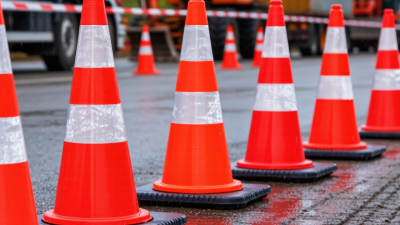
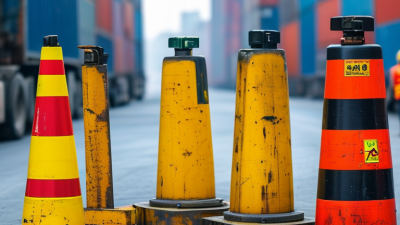
Picking out safety cones in 2026 isn't just about choosing a bright color anymore. It's a lot more involved — folks need to compare how visible they are, how stable they stay, what materials they're made of, and how they've been tested. Sure, a cone that’s a vivid orange might seem perfect at first glance, but come a windy day, freezing cold, or heavy traffic, it might not hold up. Did you know the Federal Highway Administration recorded 891 work-zone fatalities in 2022? And NHTSA’s Traffic Safety Facts 2022 reports over 7,500 pedestrian deaths in the US. These numbers really highlight how critical visibility is — if your cones aren’t doing their job, lives could be at stake. Industry reports from places like Grand View Research and MarketsandMarkets keep pointing to construction, roadwork, and logistics as big markets for top-quality traffic management gear. Basically, the demand for sturdy, reliable products is only going up. So, yeah, it might look simple — but trust me, it’s not. James Reason, a well-respected safety scientist, once said, “We cannot change the human condition, but we can change the conditions under which humans work.” That’s so true when it comes to safety cones. Buyers should really pay attention to details like cone height, how much the base weighs, how well it rebounds, the retroreflective bands, and the quality of the polymer used. It's smart to ask for test records and traceability info from trusted suppliers like 3M, TSI, or local certified manufacturers. Sure, standards matter, but just having paperwork doesn’t guarantee they'll perform well out in the real world. A cone that passes a factory test might behave totally differently on wet asphalt or in gusty winds. That gap — between what’s tested and what happens on site — is huge and really worth thinking about. So, the real question isn’t just, “Which cone is the cheapest?” It’s more like, “Which one’s gonna stay visible, stay stable, and keep doing its job even when conditions make things tough?”
Read more »
Sophia By:Sophia - September 21, 2026
10 Reflective Fabric Buying Tips for Global Buyers?

10 Reflective Fabric Buying Tips for Global Buyers?

Buying reflective fabric from abroad isn’t just about comparing prices or looking at sample colors. Honestly, there’s a lot more to it. Global buyers need to dig into the fabric’s visibility performance, how it’s made, what certifications back it up, and whether the supplier is reliable. You might see a shiny silver stripe under showroom lights, but that doesn’t tell the whole story. Once washed, exposed to abrasion, folded, or left in the sun for a while, things can look totally different. Tiny details really do count. John D. Bullough, PhD — who’s pretty much a big name in lighting and visibility research — always reminds folks that “visibility is a system, not just a single material.” That’s a good rule of thumb to keep in mind when you’re making a purchase. Ask yourself: how does this reflective surface work with the fabric underneath, the design of the garment, where it’ll be used, and the kind of lighting it’ll face? A fabric for road crews might need different qualities compared to one for sports gear, uniforms, or bags. Be sure to request test reports, technical sheets, sample meters, and washing instructions from your supplier — don’t just go by pretty photos. This guide, “10 Reflective Fabric Buying Tips for Global Buyers,” breaks down the practical questions you should ask to make sure you’re getting something reliable. It covers things like how well the fabric reflects light, its weight, how well it sticks to other materials, breathability, color retention, customization options, minimum order sizes, packaging, lead times, and quality checks. While supplier experience is important, it’s smart to verify it through actual production records and consistent sample testing. Even experienced buyers can get fooled by batch-to-batch variations, and that mistake can be costly. Taking a cautious approach means leaving room for some doubt. Test your fabric before placing a big order, compare samples under real-world lighting, check how it holds up after repeated washes, and make sure all your paperwork is in order before paying or shipping. Remember, reflective fabric is a technical component, not just a decoration or trim. Making the right choice here means better visibility, smoother production runs, and smarter sourcing on a global scale.
Read more »
Sophia By:Sophia - September 16, 2026
How to Choose the Right Reflective Tape?

How to Choose the Right Reflective Tape?

Picking out the right Reflective Tape really starts with knowing where, how, and why you’re gonna use it. Like, a vest in a warehouse, a bike trailer, a roadside barrier, or a delivery truck all Face different visibility challenges. Plus, the surface material plays a big role — fabric bends, painted metal stays pretty stiff, and plastic might not stick with certain adhesives. Using the wrong tape could mean it peels off when it rains or loses its glow after a few washes. Bummer, right? It’s worth paying close attention to what you actually need for visibility. For example, glass bead tape works nicely on general clothing and indoor equipment, but if you want something that really stands out over longer distances, prismatic tape is often the better pick. And color matters, too — silver is super bright, while fluorescent yellow or orange helps catch the eye during the daytime. But here’s the thing: reflective performance isn’t the same as how well you can see something during the day, so you gotta think about both. Details really do matter here. From my experience checking out different products, I’ve seen some pretty impressive samples totally fail because the corners lifted or dirt covered the surface. A decent, reliable tape should have the right width, strong adhesive, good flexibility, resistance to cleaning, and hold up over time. Before you buy, definitely review the manufacturer’s test data, follow the application instructions carefully, and make sure it meets your local safety standards. Independent certifications can add peace of mind, but just keep in mind they need to match the actual product version you’re getting. A good supplier should be upfront about what the tape can and can’t do — no promises of perfect, universal performance. Honestly, there’s no one-size-fits-all tape for every situation. The best way to choose the right one is by testing it on your actual surface, under realistic lighting and weather conditions, and with movement involved. Start small — apply a bit first, press it down firmly, and then check the edges after a few days. Look at how bright it still is from different angles. This simple little test can save you a lot of trouble and reveal issues that the product brochure might gloss over.
Read more »
Liam By:Liam - September 12, 2026
How to Choose the Best Release Film Supplier?

How to Choose the Best Release Film Supplier?

Picking the best Release Film supplier isn’t just about comparing prices — it’s more of a strategic decision. It’s about what makes sense for your overall process, not just what’s cheapest upfront. If you check out Smithers’ report, *The Future of Release Liners to 2028*, you'll see that demand comes from industries like construction, medical, labels, composites, and advanced packaging. Meanwhile, Grand View Research points out that factors like silicone chemistry, substrate type, application needs, and even regional manufacturing play big roles in the market. All this just highlights one thing: your supplier’s capabilities have to line up with your final manufacturing steps. Material selection really matters here. For example, a polyester Release Film might hold its thickness nicely and release smoothly even when things heat up. On the other hand, a polyethylene option could save you some bucks if your project isn’t too demanding. But don’t forget — cutting costs without considering potential issues like wrinkles, silicone transfer, or inconsistent peel forces can lead to waste and headaches down the line. Pay attention to the details. Make sure to ask your suppliers about their thickness tolerance, release-force data, coating weight, surface energy, temperature resistance, and batch traceability. It’s also a good idea to get samples from different production lots. A single, shiny sample can be deceiving — what really counts is consistent quality across multiple batches. Dr. Steve Ludeman, who used to be CEO of Loparex, always emphasized a pretty simple but crucial point: "Release performance isn’t just about one material — it’s a system result." That’s a key thing to remember when comparing suppliers. Everything’s interconnected — film, coating, adhesive, pressure, speed, and even storage conditions all play a part. A trustworthy supplier should offer solid technical support, documented quality controls, and realistic delivery timelines. While ISO certifications are helpful, don’t rely on them alone — you still need to test the product in your actual application. Sometimes buyers overlook this step, thinking certifications are enough, but nothing beats real-world testing. And it’s worth noting — the supplier who gives you the lowest quote might not always be the best choice. Often, it’s the ones that provide fewer surprises, clearer data, and quicker responses to issues that really stand out. No supplier is perfect, so when you're evaluating, be honest about their weaknesses — don’t just focus on their promises.
Read more »
Emily By:Emily - September 8, 2026
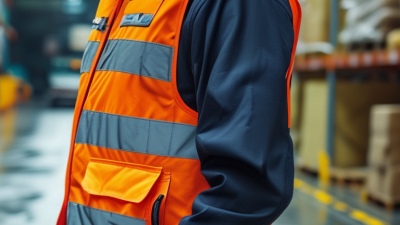
2026 Best Reflective Jacket for Global Buyers What to Look For?

2026 Best Reflective Jacket for Global Buyers What to Look For?

Choosing the right Reflective Jacket really can make a big difference in how visible and safe you are, no matter where you are. If you're like me, shopping for one can feel a bit overwhelming with so many options out there, but knowing what to look for is super important. Picking a good jacket isn’t just about looking cool—it’s about your safety, especially if you’re out at night or in bad weather. When you're choosing a reflective jacket, keep an eye on a few things: the material quality, how reflective it is, and whether it fits well. Good materials mean it’ll last longer and keep you comfortable. The level of reflectivity is key, especially in low-light situations—it helps you stand out. And a proper fit matters too—it should be comfortable and allow you to move easily. That said, the market’s pretty crowded with options. Some jackets might seem like they promise high visibility but don’t really deliver in real life. It’s a good idea to check out what other users are saying and maybe even get some expert opinions. Not all reflective jackets are created equal; some might look good but aren’t super comfy, or they focus more on style than function. Watch out for those flashy designs that sacrifice safety for some trendy look—remember, your safety comes first. In the end, take your time, do a bit of research, and pick something that really keeps you safe and comfortable. It’s worth it, I promise!
Read more »
Sophia By:Sophia - September 3, 2026
Top Safety Cones for Industrial Use in China采购哪种最佳?

Top Safety Cones for Industrial Use in China采购哪种最佳?

When it comes to industrial safety, picking the right Safety Cones is super important. According to the China Safety Equipment Market Research Report 2022, there's been a real spike in demand for safety gear, including Safety Cones. This uptick is mainly because the industrial sector is booming, and safety rules have gotten stricter. Companies like ABC Safety Solutions and XYZ Industrial Supplies are leading the way in this competitive scene. Safety Cones are pretty much essential for directing traffic and keeping work zones safe. They’re made to be very visible and tough enough to handle different weather conditions. Data from the National Safety Council shows that when used right, Safety Cones can cut down accidents by up to 30%. That said, not all cones are created equal. Things like the material quality, design, and how reflective they are can make a big difference in how well they actually work. If you’re shopping for Safety Cones in China, it can feel a bit overwhelming with so many suppliers and standards to sort through. Some products might not even meet local safety requirements, which is a big no-no. It’s really important to get your cones from reputable manufacturers who prioritize quality and follow the rules. Sometimes people overlook these details, and that can lead to safety issues down the line. Doing your homework and making informed choices is absolutely key if you want to keep your workplace safe and sound.
Read more »
Liam By:Liam - August 18, 2026